
The history of Southeast Asia isn’t a single, dusty timeline you have to memorize for a test. It is a massive, thousand-year-old tapestry of epic dynasties, global trade, colonial shakeups, and deep personal resilience.
Some of my absolute favorite trips across this region have landed me right where these stories actually went down, and let me tell you, the lessons have stuck.
Some of these journeys completely rewrote what I thought I knew about recent events like World War II. Others forced me to pack up my American perspective and look at my own country’s history through a totally new lens.
I’ve always been obsessed with the stories of Southeast Asia’s great superpowers—the colossal Angkor Empire in Cambodia, Thailand’s legendary Kingdom of Ayutthaya, Vietnam’s Tran Dynasty, and others. These weren’t just names in a book; they were massive empires that forever shaped the culture, borders, and soul of the region.
From walking the ancient stone ruins of Angkor Wat to grappling with the heavy, modern echoes of the Vietnam War and the Cambodian Genocide, I’ve learned one major thing: history here isn’t just something that happened. It’s alive, kicking, and still shaping the Southeast Asia we see today.
Temples: The Stone Chronicles
You can’t talk about Southeast Asian history without talking about the stones left behind. But to me, places like Angkor Wat, Bayon Temple, or Ta Prohm, or the sprawling ruins of Ayutthaya aren’t just cool backdrops for an Instagram photo. They are political statements frozen in time. Walking through them feels less like visiting a museum and more like walking through the remains of an ancient sci-fi superpower. Every carved relief and towering stupa tells a story of rulers who quite literally wanted to build heaven on earth.
If you want an even closer look at some of these architectural marvels, check out my stories about Angkor Wat, Bayon Temple, Ta Prohm temple, or the Rise and Fall of Ayutthaya.
Triumphs: Golden Eras and Resilient Spirits
If the temples are the physical footprint, the “Triumphs” are the human stories that built them. I am endlessly fascinated by the golden ages of these civilizations—like the peak of the Khmer Empire, which engineered water systems so massive they can still be seen from space. Then you have the breathtaking rise of Ayutthaya in Thailand, which grew from a small island trading post into one of the wealthiest cosmopolitan cities on the planet.
But to me, the real triumph isn’t just how these empires conquered the map; it’s how their spirit survived when everything crumbled. When Ayutthaya fell, the city was completely sacked, but out of those ashes came stories that still give me chills. Take the famous “floating” Buddha head trapped in the roots of a banyan tree. It’s a literal piece of ruined history that nature claimed and kept alive. It proves that even when an empire falls, its soul remains uncrushed.
Read more about the genius of the Angkor Wat Archaeological Site, dive into the dramatic history behind the rise and fall of Ayutthaya, or see my personal photos of the famous Buddha head in tree roots.
Tragedies: The Heavy Echoes of My Past Trips
I’ve learned that I couldn’t truly love Southeast Asia without being willing to look at its scars. Visiting the sites of its darkest modern chapters completely changed me, leaving me with a heavy, sobering perspective that I still carry around today.
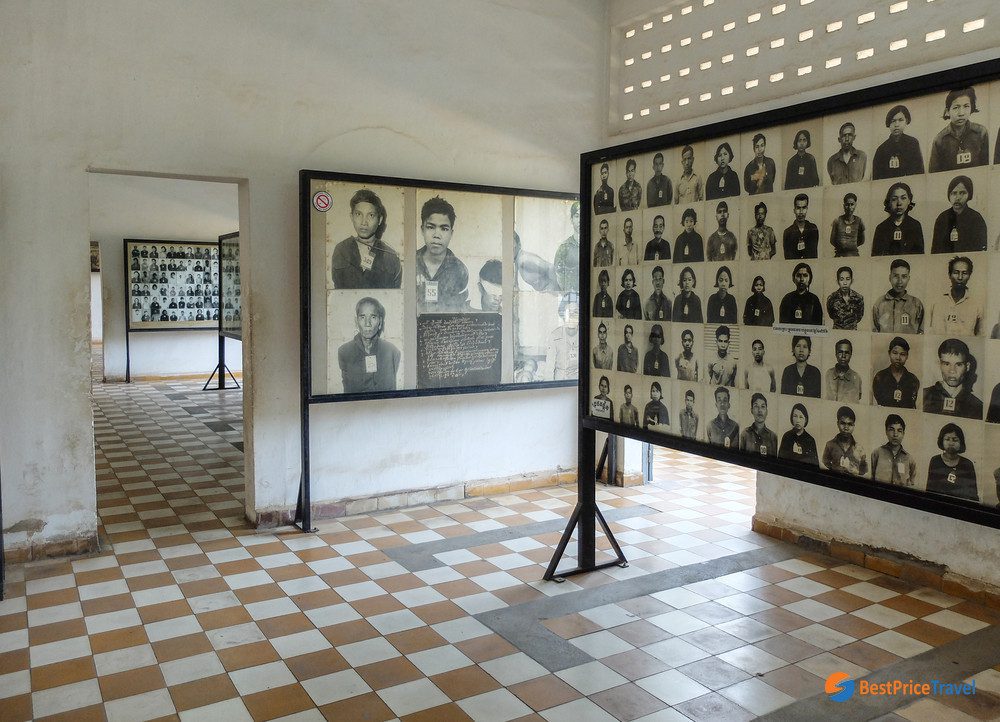
Walking through the Tuol Sleng Genocide Museum in Cambodia left me entirely speechless, forcing me to sit with the devastating, raw reality of what humans are capable of. Similarly, standing in the quiet of Hellfire Pass along Thailand’s Death Railway hit me right in the chest; the suffocating stillness of that jungle cutting made the immense suffering of World War II feel overwhelmingly real, rather than just words on a page. It even made “Bridge on the River Kwai” seem more personal.
Yet, the thing that completely blew my mind on these travels was how thin the line is between tragedy and human resilience.
When I went to the Cu Chi Tunnels in Vietnam, I expected to feel only the horror of the Vietnam War. Instead, as I actually crawled through that cramped dirt, I found myself struck by an absolute triumph of ingenuity. Realizing that an entire community built a fully functioning underground city just to survive left me completely staggered. It was a profound reminder that even in the deepest darkness, the human spirit refuses to quit—and it forced me to rethink what “survival” really means.
Read my full, personal reflections on visiting the Tuol Sleng Genocide Museum, learn about what I experienced at the Death Railway’s Hellfire Pass, or read about my time crawling through the Cu Chi Tunnels.