
If you ask me, the next best thing to eating Thai food is learning how to cook it.
Fortunately, Thailand makes that remarkably easy.
Whether you’re in Bangkok, Chiang Mai, Phuket, Hua Hin, or some tiny village whose name you can’t pronounce without accidentally ordering soup, chances are good you’ll find a Thai cooking class nearby. And if you’re looking for a memorable experience beyond temples, beaches, and night markets, I highly recommend adding one to your itinerary.
The first thing to understand is that Thai food isn’t one thing.
It’s a bit like barbecue in the United States. Ask ten Americans what makes the perfect barbecue and you’ll get eleven opinions. The same goes for Thai cuisine. Recipes, ingredients, flavors, and cooking styles vary dramatically from region to region. A cooking class in Chiang Mai may feel completely different from one in Bangkok or Phuket.
That’s part of the fun.
Many classes begin with a trip to a local market where your instructor introduces you to ingredients that sound like they belong in a Harry Potter novel. Galangal. Kaffir lime leaves. Lemongrass. Thai basil. Tiny bird’s-eye chilies capable of altering your relationship with reality.
You’ll wander through colorful produce stalls, learn how to select fresh ingredients, and discover that much of what makes Thai food special begins long before anyone turns on a stove.
Other classes take place on small farms, where many of the ingredients are grown right on the property. There is something satisfying about picking herbs from a garden and then seeing them show up in your lunch an hour later.
Fresh doesn’t get much fresher than that.
Of course, the real magic happens once the cooking begins.
Thai cuisine is famous for balancing sweet, sour, salty, spicy, and sometimes bitter flavors into perfect harmony. Watching a skilled instructor explain this balancing act is a little like watching a conductor lead an orchestra. A little fish sauce here. A squeeze of lime there. A spoonful of palm sugar. Somehow it all comes together.
And before you ask, no, nobody is reaching for a can opener or a jar of premade sauce.
Thai cooking classes tend to be gloriously old-school.
You’ll pound curry paste by hand with a mortar and pestle. You’ll chop herbs, grind spices, and stir ingredients together the same way generations of Thai cooks have done before you. No fancy food processors. No microwave shortcuts. No celebrity chef screaming at you for overcooking the noodles.
Just honest cooking.
Visit almost any night market in Thailand and you’ll see the same thing. Local cooks creating incredible meals using little more than fresh ingredients, simple tools, and years of experience.
There is something wonderfully humbling about that.
Perhaps the best part of a Thai cooking class is that everyone gets to eat the results. Unlike my high school chemistry experiments, these creations are actually intended for human consumption.
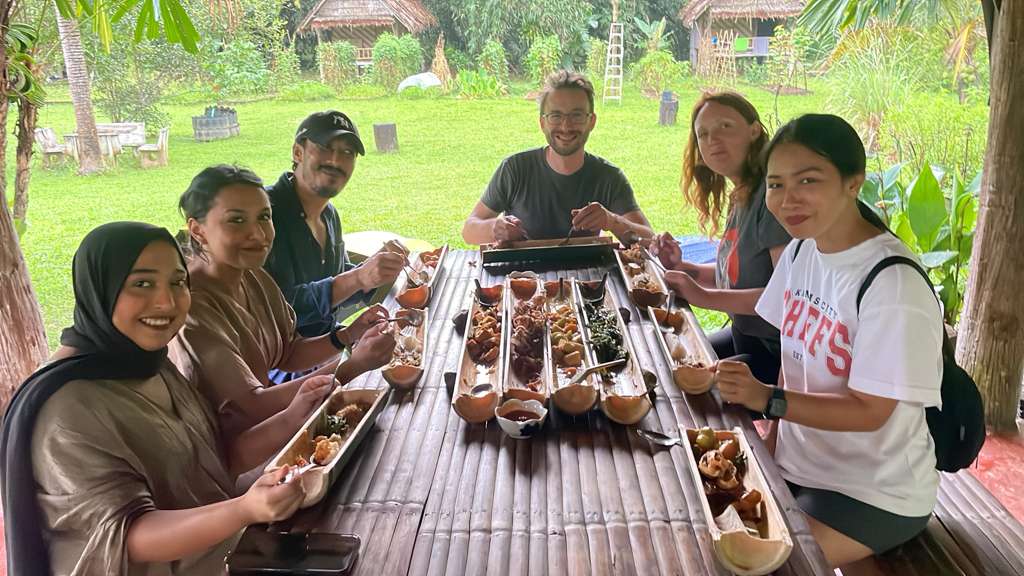
By the end of the class you’ll likely be sitting around a table with new friends, sampling dishes you’ve made yourself and wondering why food somehow tastes better when you’ve earned it.
And who knows? The skills might even follow you home.
Months later, you may find yourself standing in your own kitchen making Pad Thai, Tom Yum soup, Green Curry, or Mango Sticky Rice while attempting to explain to friends why three trips to the Asian grocery store were absolutely necessary.
Trust me.
It’s a lot cheaper than flying back to Thailand every time you get a craving.
Although, admittedly, not nearly as much fun.
Until next time.
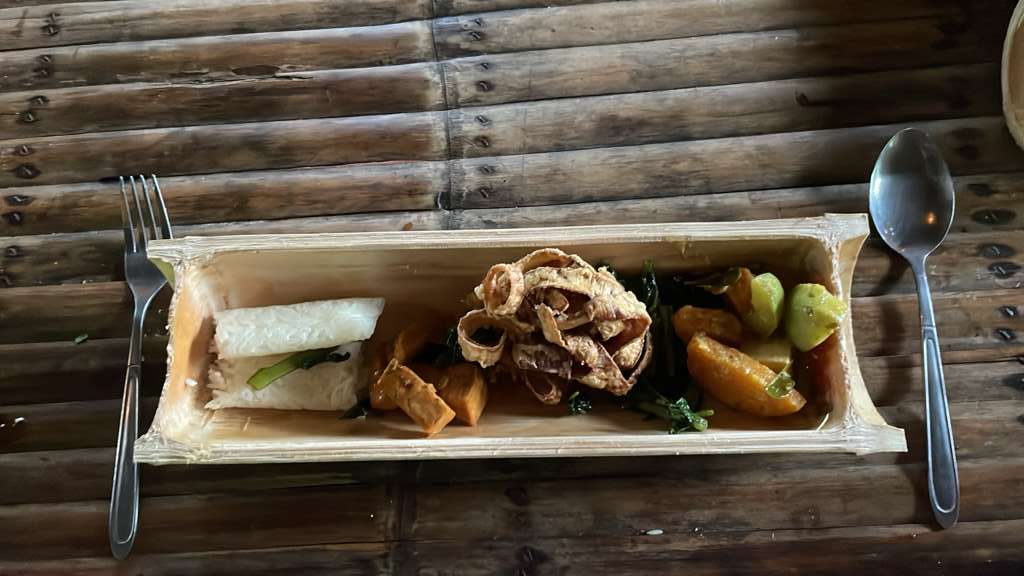
Wok this way – a few scenes from my Thai cooking class.
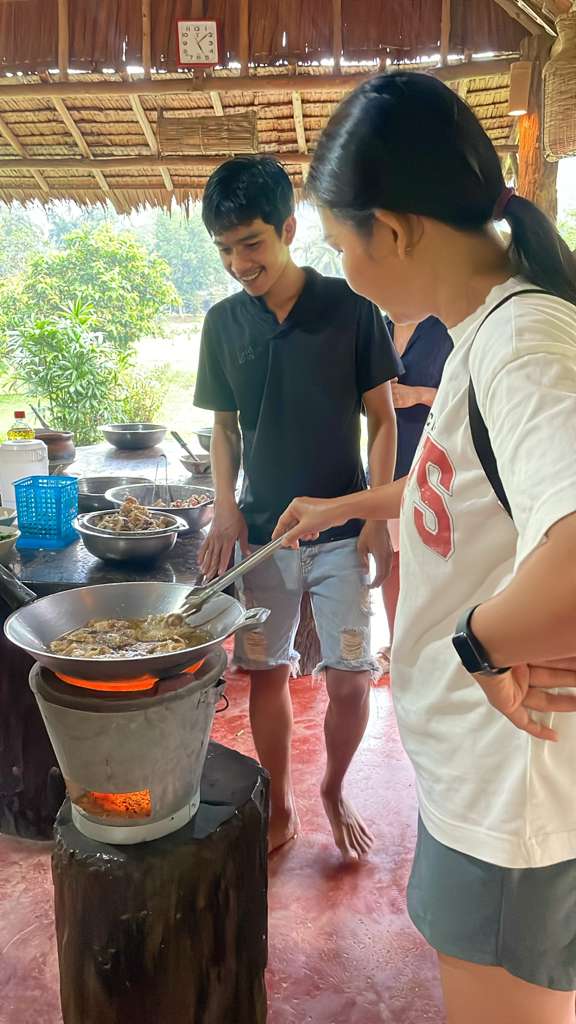
Pui shows us how it’s done
dinner is served
Our illustrious cooking class


