
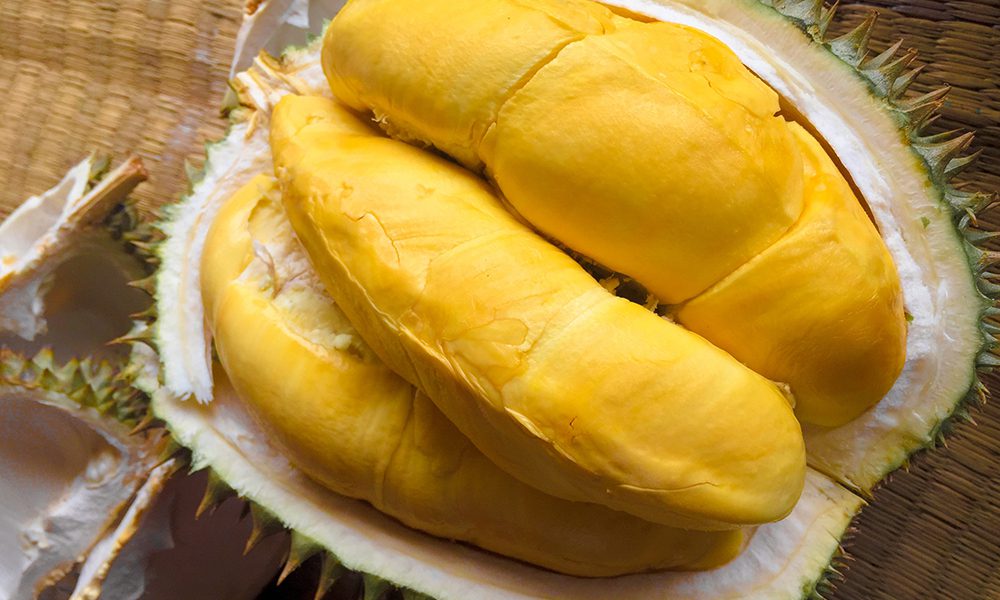
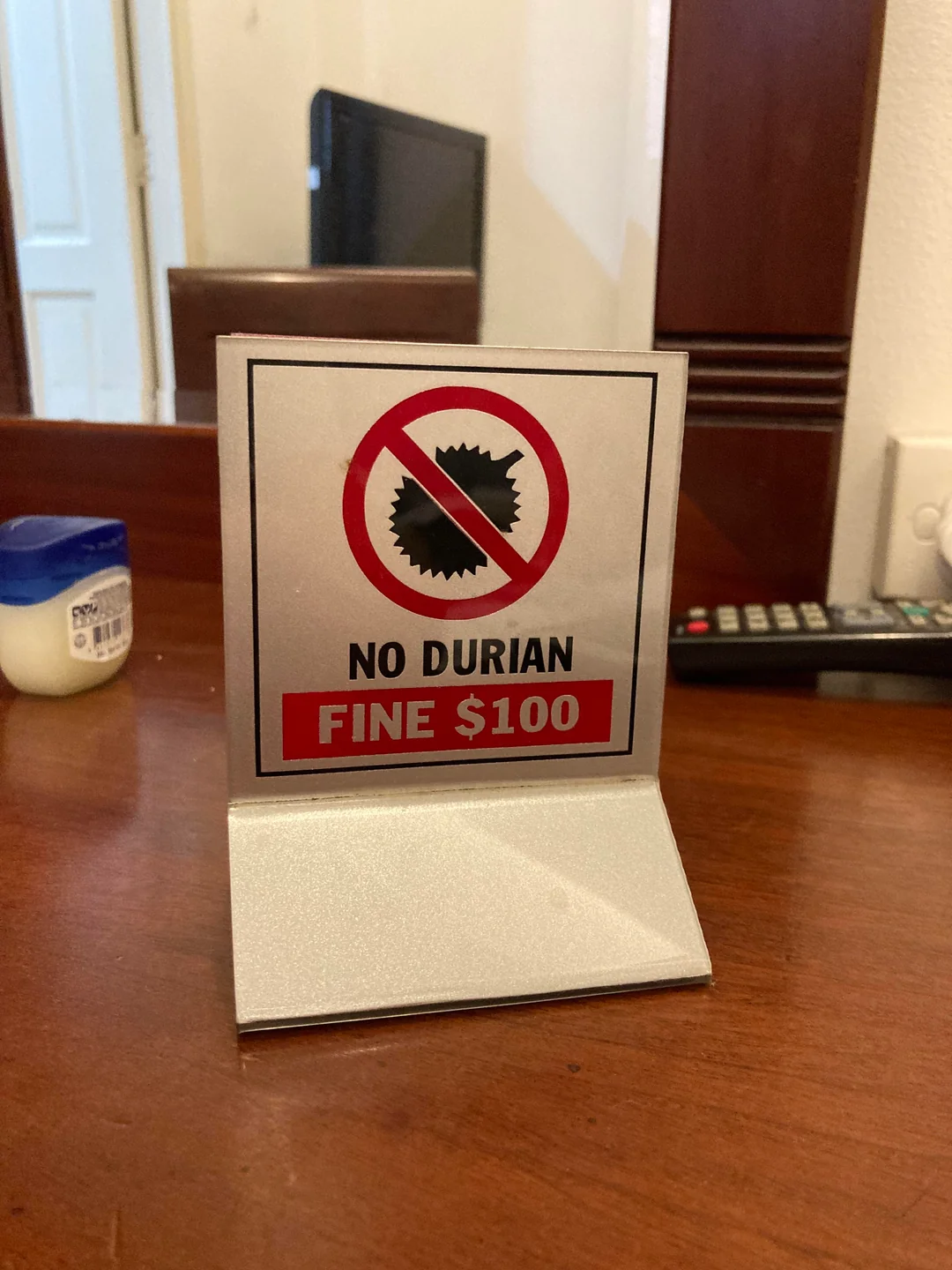
Picture this: you check into your Bangkok hotel. You’ve liberated the complimentary mini shampoos (as one does), admired your stunning alleyway view, and then—there it is. A small, innocent sign on the nightstand:
“No Smoking. No Durian.”
Naturally, you think: What on earth is a durian… and why is it being treated like contraband?
Welcome to Southeast Asia’s most infamous delicacy.
Durian is lovingly known as the “King of Fruit,” which sounds regal and inviting—until you realize it might also be the most polarizing fruit on the planet. People don’t just dislike durian. They form lifelong vendettas against it. Others adore it like it’s the last dessert on Earth. There is no middle ground. This is not a fruit. This is a personality trait.
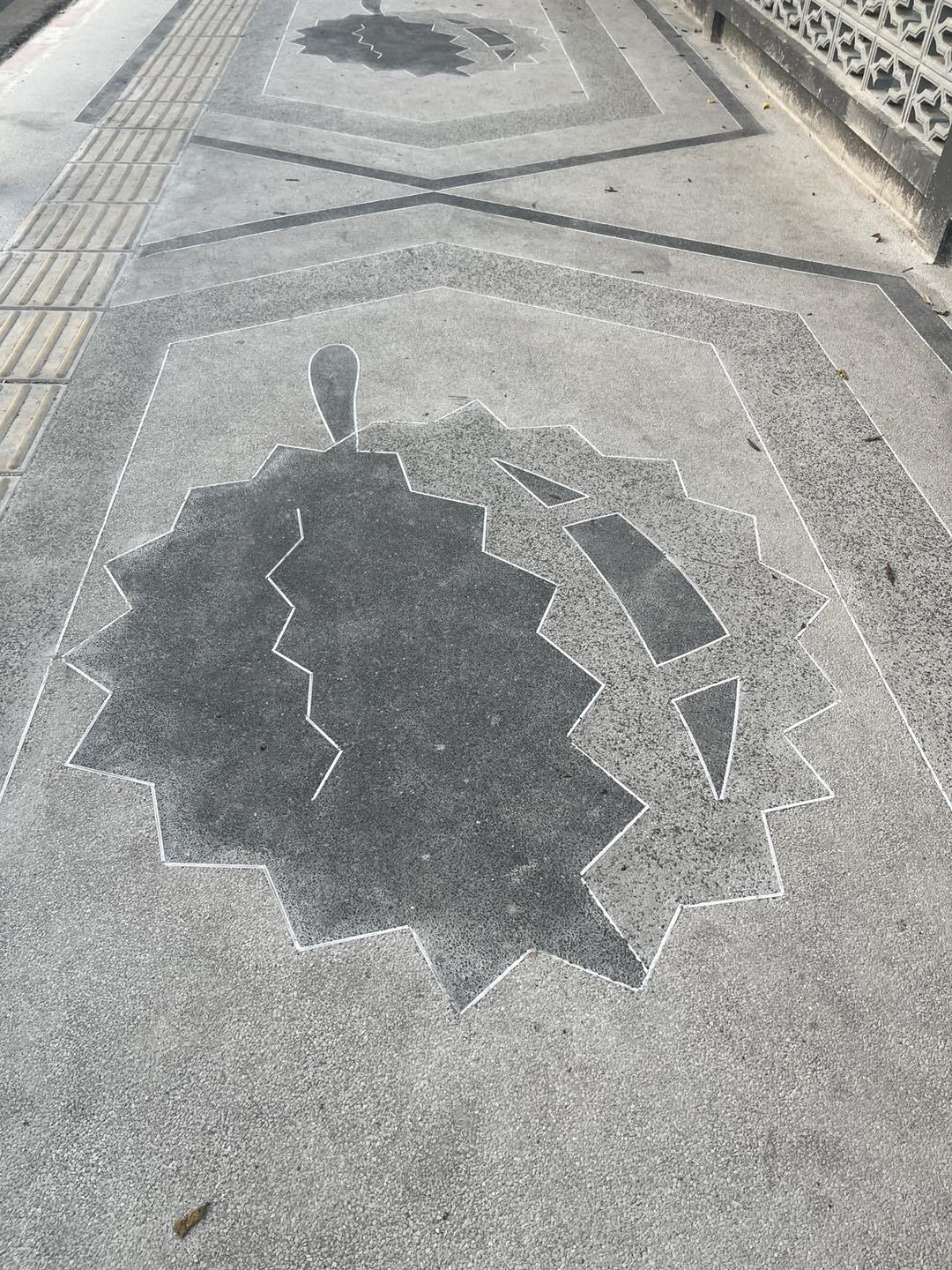
Grown on trees across the region, durians come in hundreds of varieties—over 300 in Thailand alone. My adopted hometown of Hua Hin even has its own local celebrity: the Pa La U durian. That’s right—it’s so beloved, it’s literally stamped into the sidewalks. Move over, Hollywood Walk of Fame.
Now… let’s talk about the smell.
Some say durian smells like dirty diapers marinated in gasoline. Others detect notes of onions, cheese, bananas, and a light whisper of sulfur. Personally, I’m amazed anyone gets close enough for a second opinion.
And this, dear readers, is why hotels have rules.
Durian has a magical ability to cling to anything—curtains, carpets, air conditioning systems, your soul. Bring one into your room, and you may be politely (or not so politely) introduced to a cleaning fee that rivals your nightly rate. Some hotels charge upwards of $100. Which, frankly, is still cheaper than the macadamia nuts in the minibar.
The smell, once unleashed, is legendary. There are stories—whispers, really—of travelers who left durian in their cars while popping into a mall, only to return to a vehicle that could never again be driven by humans. “Lingering” doesn’t quite cover it. We’re talking weeks. Possibly generations.
And if you think Thailand is strict, wait until you hear about Singapore. Over there, durian is basically public enemy number one. It’s banned on public transport, and taxi drivers may flat-out refuse to let you in if you’re carrying one. At this point, I’m pretty sure even Rodney Dangerfield would say, “Hey, at least I get a little respect.”
Oh—and fun bonus fact: don’t mix durian with alcohol. Apparently, it messes with your body’s ability to process booze. Which feels like an unnecessarily cruel twist. First the smell, now this?
But here’s the twist ending…
Durian is actually good for you. Packed with vitamins, minerals, healthy fats, and fiber, it’s basically a superfood wrapped in a biological hazard warning. Good for your heart, your digestion, even your skin. Who knew?
So yes—I tried it.
Call it curiosity. Call it bravery. Call it a temporary lapse in judgment. But once I got the fork past my nose, I have to admit… it wasn’t terrible. Not exactly love at first bite, but certainly not the horror show I was expecting.
That said, let’s not get crazy. Mango is still sitting comfortably at the top of my Southeast Asian fruit power rankings, and I don’t see that changing anytime soon.
So if you find yourself in Thailand and you’re feeling adventurous—really adventurous—go ahead and try the durian.
Just… maybe don’t bring it back to your hotel room.
Bon appétit—and see you on the next adventure.
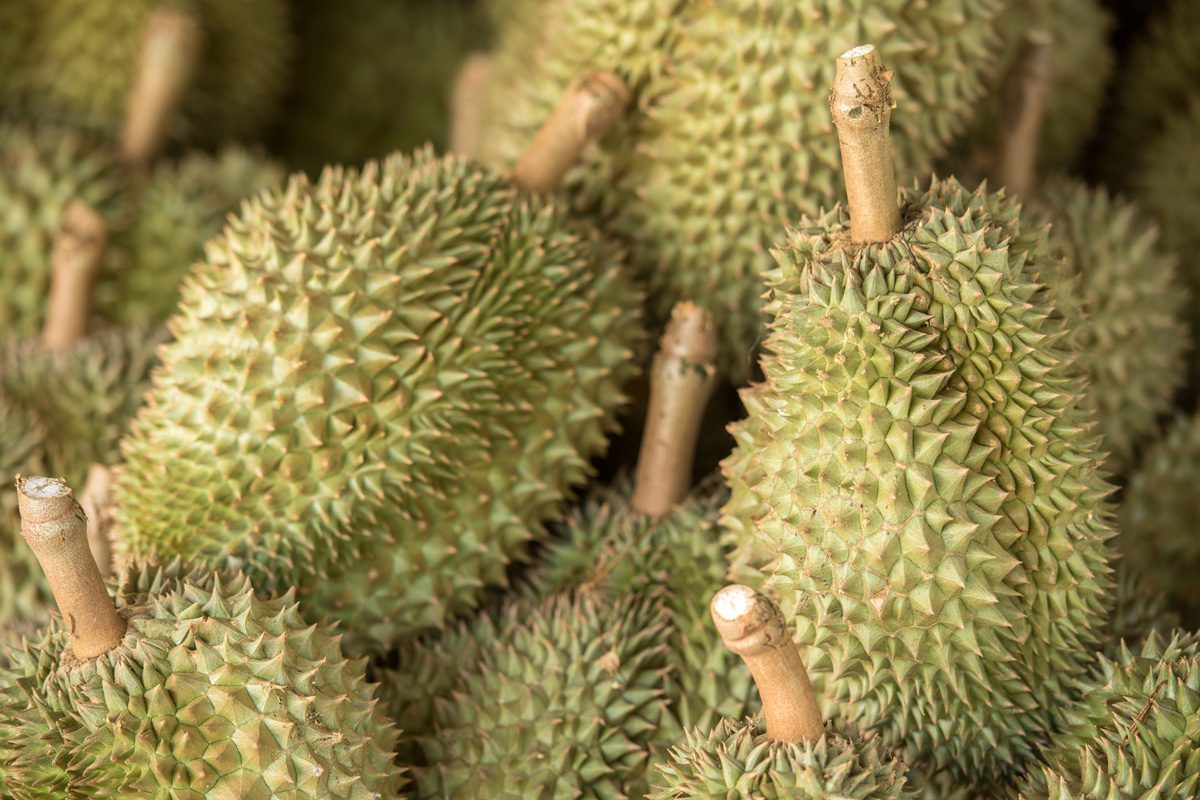
Be sure to check out these pics, too!
Most hilarious post so far, particularly because I have also experienced the infamous durian. I was not, however, brave enough to try it. My perception of the smell was vomit. Just awful. You’re a brave man, Daryle!
Ann